
Baja Seafood Guide
Baja California's dual coastline offers a bounty of seafood, with shrimp, various fish (like tuna and snapper), clams, and oysters being some of the most consumed types. You can find the freshest catches directly at the bustling Mercados de Mariscos (seafood markets), such as the famous one in Ensenada, or from fishermen on the beach. Local restaurants and humble street food carts, often labeled Mariscos, serve up iconic dishes like battered fish and shrimp tacos, tangy ceviche and aguachile, and the regional delicacy, chocolata clams. For the best experience, seek out these local spots that pride themselves on using daily harvests from the Pacific Ocean and the Sea of Cortez.

Dorado Yellowtail Red Snapper Tuna Shrimp Scallops Sea Bass Ceviche
Octopus Abalone Sea Urchin Halibut Sierra Crab Smoked Marlin Clams
Mussels Oysters Sting Ray Mako Shark Corvina Sculpin Geoduck
1. Dorado (Mahi‑Mahi)
-
Why it’s popular / what it tastes like: Dorado, also known as mahi-mahi, is prized for its mild, slightly sweet flavor and flaky white flesh. It is versatile and accepted by many palates.
-
Common dishes & preparations: Grilled or “a la plancha,” baked, fried, or used in “Baja-style” fish tacos. Restaurants may serve dorado fillets with lime, salsa, or as part of a seafood platter.
-
Safety & freshness guidelines: Because dorado is best served fresh, look for firm flesh with moist shine, not dull or dry — especially if served grilled or pan-seared. If fried, ensure it’s cooked through. As with any white-fleshed fish, freshness is key: ask when it was caught, and avoid fish held at room temperature for long.
-
Approximate portion cost: At modest Baja-style restaurants, a grilled or fried dorado fillet or taco may run ~ 60–120 MXN (~USD $3–6) depending on size and toppings; full entrée portions at mid-range eateries could be around 150–250 MXN (~USD $7–13).
-
Best Season: Late summer through fall (August–November) when waters are warm.
-
Availability: More abundant offshore during warm currents.
-
Festivals/Events: Often featured in late-summer coastal seafood fairs in Ensenada and Rosarito (no dorado-specific festival).

Dorado Yellowtail Red Snapper Tuna Shrimp Scallops Sea Bass Ceviche
Octopus Abalone Sea Urchin Halibut Sierra Crab Smoked Marlin Clams
Mussels Oysters Sting Ray Mako Shark Corvina Sculpin Geoduck
2. Yellowtail Amberjack (sometimes local “Yellowtail or Jurel” species)
-
Why it’s popular / what it tastes like: Yellowtail amberjack is valued for its firm texture, slightly richer and denser flesh, and a richer flavor than very mild whitefish — making it appealing to those who like a deeper fish taste. Targeted nearly year round by fishermen as a great fighting fish, Yellowtail is always welcome on board.
-
Common dishes & preparations: Often served grilled, seared, or even as sashimi / Hamachi crudo in more upscale or “fresh catch” restaurants. Fillets may be served simply with lime and local condiments. Great in the oven or the grill, Yellowtail will take many types of flavors and seasonings.
-
Safety & freshness guidelines: Fresh is great of course, but Yellowtail can be vacuum sealed and froze or is also great smoked. Flesh should be firm, slightly pink and smell briny but not fishy.
-
Approximate portion cost: A seared or grilled yellowtail fillet could cost around 180–260 MXN (≈ USD $9–14) depending on portion size and restaurant class.
-
Best Season: Year round, often caught on trips targeting with tuna, often found closer to shore.
-
Availability: Common in sportfishing circuits from Ensenada northward.
-
Festivals: Appears prominently during sportfishing tournaments in late winter. spring and summer.

Dorado Yellowtail Red Snapper Tuna Shrimp Scallops Sea Bass Ceviche
Octopus Abalone Sea Urchin Halibut Sierra Crab Smoked Marlin Clams
Mussels Oysters Sting Ray Mako Shark Corvina Sculpin Geoduck
3. Red Snapper (Huachinango/Pargo)
-
Why it’s popular / what it tastes like: Red snapper is a classic coastal fish in Mexican cuisine — with firm, slightly sweet flesh and versatility in cooking methods.
-
Common dishes & preparations: Whole-fish preparations (grilled, baked), fillets, or used in dishes like “a la talla,” roasted or grilled. Snapper may also appear in soups, fish stews or simple fried preparations.
-
Safety & freshness guidelines: For whole fish, check the eyes (should be clear, not cloudy), gills (bright red), and flesh (firm, not mushy). For fillets, flesh should bounce back when pressed. Avoid fish that smells overly fishy or “off.”
-
Approximate portion cost: A whole grilled red snapper shared between two might cost ~ 300–450 MXN (≈ USD $15–22), while a snapper fillet entrée might be ~ 200–300 MXN (≈ USD $10–15).
-
Best Season: Spring through early fall (March–September).
-
Availability: Fairly consistent year-round but best quality during warm months.
-
Festivals: A star at local Fiestas del Marisco (Seafood Fairs) held in summer.
Dorado Yellowtail Red Snapper Tuna Shrimp Scallops Sea Bass Ceviche
Octopus Abalone Sea Urchin Halibut Sierra Crab Smoked Marlin Clams
Mussels Oysters Sting Ray Mako Shark Corvina Sculpin Geoduck
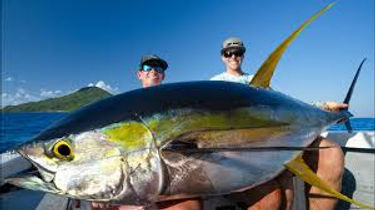
4. Tuna (Yellowfin - Albacore and Bluefin)
-
Why it’s popular / what it tastes like: Tuna is popular for its meaty texture and rich flavor — a contrast to mild white fish. It’s especially prominent in Baja’s “modern seafood” and fusion-style menus and every sushi establishment
-
Common dishes & preparations: Seared tuna steaks, grilled tuna, sashimi or tiradito, tuna tacos or “tostadas de atún fresco,” sometimes tuna-based ceviches or “cold bar” seafood items.
-
Safety & freshness guidelines: For raw or lightly cooked tuna (sashimi, seared), it must be very fresh and handled under strict hygiene. Look for deep red color, moist surface, no strong “fishy” smell. Ask how long it’s been out of ice.
-
Approximate portion cost: A seared tuna steak or sashimi plate might run ~ 220–320 MXN (≈ USD $11–17), depending on restaurant and portion size.
-
Best Season: Late summer to mid-fall (July–October), with peak catches in September.
-
Availability: Influenced by warm currents and migratory patterns.
-
Festivals: Featured heavily during Ensenada’s fishing tournament season (summer–fall).

Dorado Yellowtail Red Snapper Tuna Shrimp Scallops Sea Bass Ceviche
Octopus Abalone Sea Urchin Halibut Sierra Crab Smoked Marlin Clams
Mussels Oysters Sting Ray Mako Shark Corvina Sculpin Geoduck
5. Shrimp (Camarón)
-
Why it’s popular / what it tastes like: Shrimp is perhaps the most versatile and widely used shellfish in Baja — used in everything from tacos to cocktails to soups.
-
Common dishes & preparations: Fried or grilled shrimp tacos; shrimp “al ajillo” (garlic), shrimp “a la diabla” (spicy chili sauce), shrimp ceviche or aguachile, shrimp cocktails, shrimp in soups or mixed seafood dishes.
-
Safety & freshness guidelines: Shrimp should smell briny but fresh (not “fishy” or ammonia-like). Shell should be firm and moist. Because shrimp are often served lightly cooked or marinated (ceviche/aguachile), freshness is critical — ideally caught that day or stored properly on ice. Vacuum sealed and frozen is ok as long ase it is done when they are fresh.
-
Approximate portion cost: Shrimp tacos in Baja street-food style might run ~ 25–50 MXN each (≈ USD $1.25–2.50). A shrimp ceviche or shrimp cocktail appetizer could be ~ 80–150 MXN (≈ USD $4–8).
-
Best Season: Late summer through winter (August–February).
-
Availability: Many regions observe closed seasons (May–July) to protect spawning.
-
Festivals: San Felipe Shrimp Festival (November) — Baja’s major shrimp celebration
Dorado Yellowtail Red Snapper Tuna Shrimp Scallops Sea Bass Ceviche
Octopus Abalone Sea Urchin Halibut Sierra Crab Smoked Marlin Clams
Mussels Oysters Sting Ray Mako Shark Corvina Sculpin Geoduck
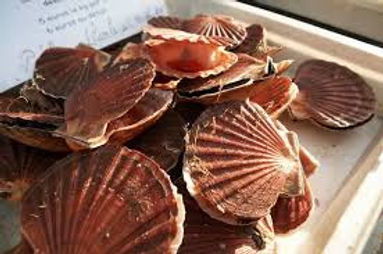
6. Scallops (Callo de hacha / Callo) and other Shellfish (Clams, Mussels, Oysters)
-
Why it’s popular / what it tastes like: Shellfish like scallops, clams, oysters and mussels — often from nearby coastal waters or the Sea of Cortez — are staples of the region’s seafood-rich culinary identity.
-
Common dishes & preparations: Scallop cocktails or ceviches, mixed seafood cocktails (shrimp, scallop, octopus), grilled or baked shellfish, “barra fría” (cold-bar) style dishes, seafood platters including clams, mussels, or oysters.
-
Safety & freshness guidelines: Very important to ensure freshness — shellfish should smell like the sea, not fishy or off. For raw or cold-bar dishes, ensure they’ve been kept cold and handled hygienically. If shellfish are whole (shell on), shells should be closed (or close when tapped), indicating they were alive before cooking.
-
Approximate portion cost: A small mixed shellfish cocktail (scallops, shrimp, octopus) might be ~ 120–200 MXN (≈ USD $6–10). Individual oysters or scallop tostadas might cost ~ 30–60 MXN each (≈ USD $1.50–3).
-
Shellfish are strongly tied to tides, temperature, and regulatory closures.
-
Scallops (Callo de hacha) Best Season: Spring–summer (April–September).
-
Events: Appear in Ensenada Seafood Week events.
-
Clams (Almejas) Best Season: Year-round, with peak quality spring–summer.
-
Events: Baja Med pop-ups in spring often showcase raw clam dishes.
-
Mussels (Mejillones) Best Season: Cooler months (January–May).
-
Events: Included in early-spring seafood fiestas.
-
Oysters (Ostiones) Best Season: General rule: cooler months—October through April.
-
Events: Raw bars peak during winter food and wine events in the Guadalupe Valley.
Dorado Yellowtail Red Snapper Tuna Shrimp Scallops Sea Bass Ceviche
Octopus Abalone Sea Urchin Halibut Sierra Crab Smoked Marlin Clams
Mussels Oysters Sting Ray Mako Shark Corvina Sculpin Geoduck
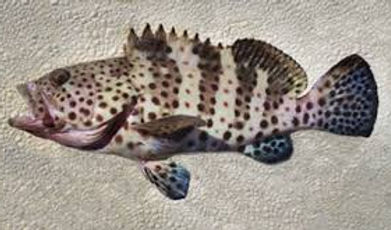
7. Grouper or Sea Bass / Cabrilla (bass, kelp bass, sand bass)
-
Why it’s popular / what it tastes like: Bass and grouper-type fish are appreciated for their firm, mild-to-mildly sweet flesh, which holds up well to a variety of cooking methods, and are common catches along the Baja coast.
-
Common dishes & preparations: Grilled or baked bass fillets, whole fish baked or grilled, fish tacos or “a la plancha” fish, seafood soups and stews using bass/grouper.
-
Safety & freshness guidelines: As with other fish, look for firmness, moist flesh, no strong “fishy” odor — especially important for fillets. For whole fish, check eyes, gills, and flesh condition. Ensure it’s been properly iced and kept cold if not cooked immediately.
-
Approximate portion cost: A bass/grouper fillet entrée may cost ~ 200–280 MXN (≈ USD $10–15). A whole fish baked/grilled for sharing might be ~ 350–500 MXN (≈ USD $17–25).
-
Best Season: Year-round with slight peaks in spring and fall.
-
Availability: Local inshore fisheries produce consistently.
-
Festivals: Often part of mixed-fish grilling events during summer coastal fairs.

Dorado Yellowtail Red Snapper Tuna Shrimp Scallops Sea Bass Ceviche
Octopus Abalone Sea Urchin Halibut Sierra Crab Smoked Marlin Clams
Mussels Oysters Sting Ray Mako Shark Corvina Sculpin Geoduck
8. Mixed-Seafood Ceviches & “Cold Bar” Preparations (various fish + shellfish)
-
Why it’s popular / what it tastes like: Ceviche and mixed-seafood preparations (fish, shrimp, scallops, octopus, shellfish) are a hallmark of coastal Baja cuisine — fresh, bright, and often served as light appetizers or meals, especially in busy port towns like Ensenada. Mexico Histórico+2caboyummytours.com+2
-
Common dishes & preparations: Classic lime-marinated ceviche (with fish, shrimp, octopus, sometimes scallops or shellfish), seafood cocktails (tomato-based with onion, lime, chili), ceviche tostadas, mixed seafood cold plates. Mexico Histórico+2Los Cabos Magazine+2
-
Safety & freshness guidelines: This is where freshness and hygiene are most critical. The seafood must be very fresh, kept cold, and prepared under sanitary conditions. Ask when the catch arrived; avoid ceviche if seafood has been out of refrigeration for too long or looks dull. Always accompany with freshly squeezed lime, and consume promptly.
-
Approximate portion cost: A ceviche tostada or small seafood cocktail may cost ~ 80–150 MXN (≈ USD $4–8). Larger mixed-seafood plates for sharing might run 200–300 MXN (≈ USD $10–15).
-
Best Season: Depends on ingredients, but best May–October due to warm-water fish abundance.
-
Festivals: Ensenada Ceviche & Aguachile Festival (Summer) — celebrates local cold-bar dishes.
-
Featured heavily during Ensenada Baja Seafood Expo (fall).
Dorado Yellowtail Red Snapper Tuna Shrimp Scallops Sea Bass Ceviche
Octopus Abalone Sea Urchin Halibut Sierra Crab Smoked Marlin Clams
Mussels Oysters Sting Ray Mako Shark Corvina Sculpin Geoduck
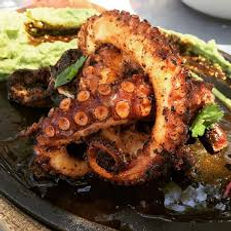
9. Octopus (Pulpo) & Cephalopods (Squid / Calamar)
-
Why it’s popular / what it tastes like: Octopus and squid are part of the broader shellfish/mollusk offerings in Baja, used in ceviches, cocktails, grilled dishes, or mixed seafood platters. Their chewy texture and ability to take on marinades or grill char make them appealing.
-
Common dishes & preparations: Octopus or squid in ceviche or seafood cocktails, grilled octopus, fried calamari rings or mixed seafood platters. Sometimes used in “Baja-Med” fusion dishes.
-
Safety & freshness guidelines: As with shellfish, ensure cephalopods smell briny and fresh, not “fishy” or ammonia-like. If whole, ensure proper chilling; if pre-cut, ensure color is bright (not dull) and flesh is firm. Cook thoroughly if frying/grilling; for ceviche/cocktail only if super fresh and from a reliable source.
-
Approximate portion cost: A small octopus or squid cocktail may go for ~ 100–160 MXN (≈ USD $5–8), fried calamari appetizer ~ 120–180 MXN (≈ USD $6–9).
-
Best Season: Summer–fall (July–November).
-
Availability: Often tied to small-boat fishing seasons.
-
Events: Highlighted in mariscos festivals during summer.

Dorado Yellowtail Red Snapper Tuna Shrimp Scallops Sea Bass Ceviche
Octopus Abalone Sea Urchin Halibut Sierra Crab Smoked Marlin Clams
Mussels Oysters Sting Ray Mako Shark Corvina Sculpin Geoduck
10. California Spiny Lobster and Other Lobsters / Crustaceans (depending on season/availability)
-
Why it’s popular / what it tastes like: Along Baja’s Pacific and Sea of Cortez coasts, lobsters and other crustaceans are part of the high-end seafood offerings; they add variety beyond more common fish or shellfish. Lobster in particular is valued for rich, sweet, firm meat.
-
Common dishes & preparations: Steamed or grilled lobster tails, lobster tacos (rare but possible), mixed seafood platters including lobster + other shellfish, upscale “Baja-Med” style seafood dishes combining lobster with local produce.
-
Safety & freshness guidelines: Because lobster and crustaceans spoil quickly if not kept cold, ensure live or freshly killed lobster, stored on ice, cooked soon after landing. Meat should be firm, slightly sweet, not mushy or off-smelling. Avoid pre-cooked lobster stored long. Also check for proper cooking (shell cracked, meat opaque).
-
Approximate portion cost: A lobster tail entrée at a mid- or high-end seaside restaurant might run ~ 400–700 MXN (≈ USD $20–35), depending on size and catch. Mixed seafood platters including lobster may run higher, especially in tourist-oriented establishments.
-
Best Season: Strict season: October–March.
-
Availability: Regulated; closed spring–summer.
-
Festivals: Puerto Nuevo Lobster Festival (October) — the most famous lobster event in BC Norte.

Dorado Yellowtail Red Snapper Tuna Shrimp Scallops Sea Bass Ceviche
Octopus Abalone Sea Urchin Halibut Sierra Crab Smoked Marlin Clams
Mussels Oysters Sting Ray Mako Shark Corvina Sculpin Geoduck
11. Abalone (Abulón)
-
Description: Once abundant along Baja’s Pacific coast, abalone is now highly regulated and often farmed, prized for its delicate, slightly sweet flavor and firm texture. It’s a luxury ingredient in Baja cuisine. When available, it appears in simple preparations to highlight its uniqueness.
-
Typical dishes: Lightly grilled abalone steaks, abalone ceviche, Baja-Med style dishes with citrus or herbs, and occasionally abalone “al ajillo.”
-
Safety & freshness: Must be extremely fresh or properly chilled; flesh should be firm with no off-odors. Avoid overly soft or mushy pieces.
-
Approximate cost: High-end item — 350–600 MXN per portion (USD $18–30).
-
Best Season: Highly restricted; historic season late spring–summer.
-
Availability: Mostly from regulated farms now.
-
Events: Featured in gourmet Baja-Med events rather than mass public festivals.

Dorado Yellowtail Red Snapper Tuna Shrimp Scallops Sea Bass Ceviche
Octopus Abalone Sea Urchin Halibut Sierra Crab Smoked Marlin Clams
Mussels Oysters Sting Ray Mako Shark Corvina Sculpin Geoduck
12. Sea Urchin (Erizo de Mar)
-
Description: Uni (sea urchin roe) from Baja is renowned for its intense briny sweetness and creamy texture. It’s often harvested fresh along the coast and valued by seafood enthusiasts.
-
Typical dishes: Fresh uni tostadas, uni ceviche, uni with pasta in Baja-Med restaurants, or served raw with lime.
-
Safety & freshness: Must be served immediately after removal from shell; color should be bright orange/gold and smell sweetly oceanic.
-
Approximate cost: 120–200 MXN for a tostada; raw uni plates 200–350 MXN.
-
Best Season: Cooler months (December–April).
-
Availability: Quality declines in warm-water periods when roe is thin.
-
Events: Showcased at winter raw-bar events in Ensenada and the Valle de Guadalupe.

Dorado Yellowtail Red Snapper Tuna Shrimp Scallops Sea Bass Ceviche
Octopus Abalone Sea Urchin Halibut Sierra Crab Smoked Marlin Clams
Mussels Oysters Sting Ray Mako Shark Corvina Sculpin Geoduck
13. Halibut (Lenguado)
-
Description: A mild, firm white fish popular for its versatility and clean flavor, common in both traditional and modern Baja cooking.
-
Typical dishes: Grilled halibut fillets, halibut ceviche, halibut tacos, and halibut a la plancha.
-
Safety & freshness: Should have firm, translucent flesh and minimal smell; avoid fillets that look dry or opaque.
-
Approximate cost: 180–260 MXN per entrée.
-
Best Season: Spring–early summer (March–June).
-
Availability: Coastal waters near Ensenada provide peak catches in spring.
-
Events: Appears in spring seafood festivals.
Dorado Yellowtail Red Snapper Tuna Shrimp Scallops Sea Bass Ceviche
Octopus Abalone Sea Urchin Halibut Sierra Crab Smoked Marlin Clams
Mussels Oysters Sting Ray Mako Shark Corvina Sculpin Geoduck
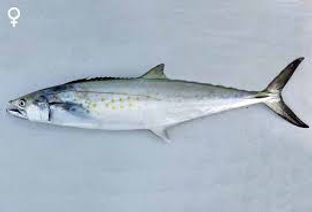
14. Sierra (Spanish Mackerel)
-
Description: A local favorite among fishermen, sierra has a distinct, slightly oily flavor with a flaky yet firm texture. Its freshness is crucial for best taste. Makes great Sashimi when fresh and cold.
-
Typical dishes: Sierra ceviche (very common), grilled sierra, fried sierra sandwiches or tacos.
-
Safety & freshness: Because it spoils faster than mild whitefish, it must be eaten same-day; flesh should be shiny and elastic.
-
Approximate cost: 120–180 MXN per plate; 40–60 MXN per taco.
-
Best Season: Winter through spring (January–May).
-
Availability: Very common during cooler months. A Sea of Cortez regular catch.
-
Events: Popular in winter ceviche competitions.

Dorado Yellowtail Red Snapper Tuna Shrimp Scallops Sea Bass Ceviche
Octopus Abalone Sea Urchin Halibut Sierra Crab Smoked Marlin Clams
Mussels Oysters Sting Ray Mako Shark Corvina Sculpin Geoduck
15. Crab (Jaiba / Cangrejo)
-
Description: Blue crab and rock crab are common in Baja coastal cuisine, known for sweet, tender meat. Frequently used in classic Mexican seafood cocktails.
-
Typical dishes: Jaiba empanadas, crab cocktails, stuffed crab shells, crab tostadas.
-
Safety & freshness: Should be cooked live or shortly after harvesting; crab meat should not be watery or smell sour.
Approximate cost: 100–160 MXN for cocktails; specialty crab dishes 180–260 MXN
-
Best Season: Fall–spring (September–April).
-
Availability: Varies by species but generally peaks in cooler months.
-
Events: Often appears in Semana de Mariscos (Seafood Week) celebrations.
Dorado Yellowtail Red Snapper Tuna Shrimp Scallops Sea Bass Ceviche
Octopus Abalone Sea Urchin Halibut Sierra Crab Smoked Marlin Clams
Mussels Oysters Sting Ray Mako Shark Corvina Sculpin Geoduck
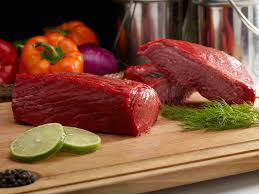
16. Smoked Marlin (Marlín Ahumado)
-
Description: A Baja specialty, often sold dried or smoked; intensely flavorful and savory. Common in tacos and breakfast dishes and makes excellent dip or spread.
-
Typical dishes: Smoked marlin tacos, marlin machaca, marlin-stuffed chiles or mushrooms, marlin tostadas.
-
Safety & freshness: Look for marlin that is not overly dry, with natural smoke aroma; avoid pieces with sticky texture.
-
Approximate cost: 80–120 MXN for tacos; 150–220 MXN per entrée.
-
Best Season: Marlin fishing peaks August–November; smoked product available year-round.
-
Events: Common at street-food festivals especially during late summer fishing tournaments.
Dorado Yellowtail Red Snapper Tuna Shrimp Scallops Sea Bass Ceviche
Octopus Abalone Sea Urchin Halibut Sierra Crab Smoked Marlin Clams
Mussels Oysters Sting Ray Mako Shark Corvina Sculpin Geoduck
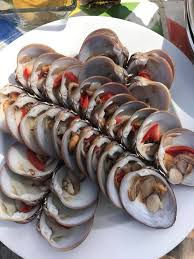
17. Clams (Almejas Chione / Chocolatas / Pismo)
-
Description: Baja is famous for several varieties of clams, especially chocolata clams in nearby regions, though still commonly served in BC Norte restaurants.
-
Typical dishes: Raw clams with lime, grilled clams, clam cocktails, mixed clam ceviche, baked clams with cheese.
-
Safety & freshness: Should be alive before opening — shells closed or closing when tapped. Smell must be fresh and oceany.
-
Approximate cost: 80–180 MXN depending on size and preparation.
-
Best Season: Spring–summer.
-
Events: Raw clam pop-ups and local “curvina & clam” gatherings in coastal towns.

Dorado Yellowtail Red Snapper Tuna Shrimp Scallops Sea Bass Ceviche
Octopus Abalone Sea Urchin Halibut Sierra Crab Smoked Marlin Clams
Mussels Oysters Sting Ray Mako Shark Corvina Sculpin Geoduck
18. Mussels (Mejillones)
-
Description: Mussels thrive along the colder Pacific coastline; they offer a sweet, earthy flavor and are commonly found in coastal restaurants.
-
Typical dishes: Steamed mussels with white wine or butter, mussels in seafood soups, mussel cocktails.
-
Safety & freshness: Only consume mussels that opened during cooking; discard those still closed. Broth should be clear, not murky.
-
Approximate cost: 150–250 MXN per pot.
-
Best Season: January–May. Gathered on the coast year round.
-
Events: Early spring food fairs featuring shellfish.

Dorado Yellowtail Red Snapper Tuna Shrimp Scallops Sea Bass Ceviche
Octopus Abalone Sea Urchin Halibut Sierra Crab Smoked Marlin Clams
Mussels Oysters Sting Ray Mako Shark Corvina Sculpin Geoduck
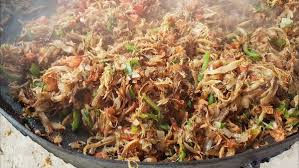
19. Oysters (Ostiones)
-
Description: Fresh Pacific oysters are widely served in raw bars and seafood stands. Flavor is briny, crisp, and varies based on where they were harvested. Popular harvest areas include Ensenada and San Quintin.
-
Typical dishes: Raw oysters on the half-shell, oysters with salsa negra, grilled oysters with butter or cheese.
-
Safety & freshness: Must remain cold; shells should be tightly closed until opened. Avoid oysters that look dull, dry, or milky.
-
Approximate cost: 25–60 MXN per oyster; plates of six ~120–240 MXN.
-
Best Season: October–April.
-
Events: Often part of wine + oyster pairing events in Valle de Guadalupe (winter).
Dorado Yellowtail Red Snapper Tuna Shrimp Scallops Sea Bass Ceviche
Octopus Abalone Sea Urchin Halibut Sierra Crab Smoked Marlin Clams
Mussels Oysters Sting Ray Mako Shark Corvina Sculpin Geoduck
20. Stingray (Raya)
-
Description: A traditional protein in several parts of coastal Mexico, often used in tacos and stews; mild flavor when cooked well.
-
Typical dishes: Tacos de caguamanta (stingray + broth), stingray stews, shredded stingray cooked like “machaca.”
-
Safety & freshness: Should be thoroughly cooked; flesh should be firm and free of strong odors (stingray spoils quickly).
-
Approximate cost: 80–150 MXN for tacos or plates.
-
Best Season: Year-round bycatch; best quality spring–fall.
-
Availability: Common for “caguamanta”-style stews.
-
Events: Appears in traditional coastal street-food festivals, especially in Ensenada.

Dorado Yellowtail Red Snapper Tuna Shrimp Scallops Sea Bass Ceviche
Octopus Abalone Sea Urchin Halibut Sierra Crab Smoked Marlin Clams
Mussels Oysters Sting Ray Mako Shark Corvina Sculpin Geoduck
21. Mako Shark
Mako shark is a pelagic shark species (shortfin mako, etc.) known for a streamlined, torpedo-shaped body adapted for fast swimming. In the waters off Baja, makos have historically been among the sharks landed for sport or fishery.
· They are predatory sharks, meaning they occupy a high trophic level. One f the fastest fish in the ocean, Makos are often found where there are lots of other game fish to eat such as tuna school or squid blooms.
Availability / Seasonality
· According to local shark-landing reports, mako sharks tend to be more abundant during the cold season in Baja waters.
· That suggests you’re more likely to see fresh mako in winter / early spring, though availability likely varies with fishing effort and regulations.
Restaurant / Culinary Use
· Mako is not among the most commonly promoted “Baja dinner fish” (local favorites tend to be lighter, milder fish). Indeed many Baja fishing/seafood write-ups focus on species like corvina, dorado, snapper, etc.
· When used, shark meat (including mako) may be prepared as steaks or fillets, often cooked thoroughly (e.g., grilled or seared). However — important: shark meat has different flavor and texture than typical white-fish fillets. Many equate it as being similar to swordfish in flavor and texture.
Safety & Freshness Considerations
· As with any large predatory fish (especially sharks), there may be concerns around mercury and other bioaccumulating toxins; many health-advisory frameworks recommend limiting consumption of large predators. (While I did not find a Baja-specific advisory for mako, this is a general caution.)
· For freshness: same as with other fish — should be ideally cooked soon after catch; if selling in markets or restaurants, look for firm flesh, no off-odor, and good ice/freeze handling.
Price / Market Context
· Mako is relatively uncommon compared to staple “table fish,” and being a large predator with niche demand, it tends to be more “specialty” than everyday fare. Because of that, when available, it may carry a premium compared to common white-fish.
· On restaurant menus, expect shark dishes to be less ubiquitous; if offered, likely priced higher than standard fish fillets.

Dorado Yellowtail Red Snapper Tuna Shrimp Scallops Sea Bass Ceviche
Octopus Abalone Sea Urchin Halibut Sierra Crab Smoked Marlin Clams
Mussels Oysters Sting Ray Mako Shark Corvina Sculpin Geoduck
22. Corvina
· In Baja context “corvina” refers to seatrout/weakfish (genus Cynoscion) — a common coastal/inshore species. Its flesh is mild, white, with a texture that makes it versatile for many cooking styles.
Availability / Seasonality
· Corvina is listed among the inshore fish species commonly caught around Baja, especially in the Sea of Cortez near San Felipe, implying reasonably regular availability.
· Because it is not a deep-sea or highly migratory species, corvina tends to be more consistently available than more “sporty” or pelagic species.
Restaurant / Culinary Use
· Corvina fillets are often used in Mexican coastal cooking — for example in “filete de pescado relleno” (stuffed fish fillet) or simply grilled/baked, and as a substitute for sole or other mild white-fish.
· A common “Baja-style” presentation: grilled with simple seasoning (olive oil, salt, pepper), letting the freshness and flavor of the corvina shine. Corvina also makes excellent Sashimi.
Safety & Freshness Considerations
· As with any locally caught inshore fish: freshness is key — look for firm flesh, bright eyes (if whole), good handling/ice, and minimal odor.
· Corvina is fairly mild and lower on the food chain, so lower risk of heavy-metal accumulation compared to large predators.
Price / Market Context
· Corvina is among the more “everyday” edible fish in Baja seafood cuisine and tends to be more affordable and widely available than high-end or exotic species.
· In restaurants in Baja (or near-coast Mexican seafood spots), corvina dishes are often mid-range — not the cheapest (like small local fish), but not premium expensive either.

Dorado Yellowtail Red Snapper Tuna Shrimp Scallops Sea Bass Ceviche
Octopus Abalone Sea Urchin Halibut Sierra Crab Smoked Marlin Clams
Mussels Oysters Sting Ray Mako Shark Corvina Sculpin Geoduck
23. Sculpin - Scorpionfish
· What’s typically meant locally by “sculpin” in Baja / nearby Pacific waters is likely a scorpionfish/rockfish species (e.g., California Scorpionfish, Scorpaena guttata) — bottom-dwelling, with a reddish-brownish coloration, a large head, and venomous spines on dorsal/anal/pelvic fins.
· The flesh is described as mild and sweet, with firm and juicy texture.
· Availability / Seasonality
· Sculpin inhabit rocky bottoms or reefs, often in shallower waters (up to ~30 m), from central California down to Baja.
· They are not generally a high-volume commercial species, but rather caught sporadically (hook & line) — fishing for them is more periodic.
· Restaurant / Culinary Use
· When used, Sculpin/scorpionfish are often prepared via braising, stewing, sautéing — because their texture takes well to moist-heat cooking.
· Their “rockfish” flavor can make them good for flavorful fish stews or hearty preparations rather than light grilling or delicate sauces.
Safety & Freshness Considerations
· Key safety consideration: the internal organs (and roe) of scorpionfish are toxic / potentially lethal, so only flesh should be eaten.
· Also, because of venomous spines, care must be taken when handling — the spines can remain dangerous even after the fish is dead. This is well known among fishermen.
· For freshness: as with any bottom-dwelling or reef fish, proper cleaning immediately after catch and chilling/icing is important.
Price / Market Context
· Given their relative scarcity and lower commercial focus, sculpin tend to be less common on standard Baja seafood menus compared to more popular species (like corvina or dorado).
· When available (e.g., at specialty restaurants or local fish markets), they may be moderately priced but not treated as “luxury” seafood. Their value more lies in novelty or traditional recipes rather than premium.

Dorado Yellowtail Red Snapper Tuna Shrimp Scallops Sea Bass Ceviche
Octopus Abalone Sea Urchin Halibut Sierra Crab Smoked Marlin Clams
Mussels Oysters Sting Ray Mako Shark Corvina Sculpin Geoduck
24. Geoduck
-
The geoduck is a very large burrowing clam. In Baja / Gulf of California waters, the relevant species is typically Cortez Geoduck (Panopea globosa) — locally also called “almeja generosa”, “almeja de sifón”, or “chiluda”.
-
It has a large shell (valve) and a very long siphon (the “neck/tube” protruding from the shell) — siphon alone can reach ~1 meter in length; the shell may reach ~15–25 cm. Availability / Seasonality
-
The species is endemic to the Gulf of California and Baja Pacific coast; its range includes the upper Gulf down to as far as Bahía Magdalena in Baja California Sur.
-
Harvesting is done by artisanal divers (hookah / free diving) from intertidal zones to subtidal sand/mud bottoms, down to ~100 m.
-
In certain areas there is regulated “season” / “veda” (closed season) to manage sustainability. For example — in one recent regulation the harvest season for P. globosa in part of Baja was extended to early February, with veda starting February 10th.
-
Restaurant / Culinary Use Geoduck is considered a gourmet seafood — prized for its texture and flavor. The clam can be eaten raw (sashimi), or cooked (steamed, sautéed, in soups/ceviches), similar to how large clams are treated elsewhere.
-
Because of its size and siphon, presentation is sometimes dramatic, and it may appear on upscale or specialty seafood menus rather than everyday beach-side fish shacks.
-
Safety & Freshness Considerations Given its filter-feeding nature, there is risk (as with all bivalves) of shellfish toxins (e.g., from “red tides” / harmful algal blooms). Indeed, local health authorities in Baja check for biotoxins when monitoring clam/ostión harvests.
-
For freshness: geoducks are often sold live; buying live or freshly harvested improves safety and quality. Proper chilling or rapid processing is important to avoid spoilage.
Price / Market Context
-
Geoduck is a high-value shellfish. In Baja, much of the catch is exported (notably to Asian markets) because of high demand and premium pricing abroad.
-
Because of that export demand, geoduck tends to be “rare / premium” on domestic Baja menus, but you can find it in more comprehensive seafood markets. If you see it locally (in Baja or imported to U.S.), expect it to be among the more expensive seafood items.